
Actinic & Seborrheic Keratosis

Actinic & Seborrheic Keratosis


Actinic & Seborrheic Keratosis are skin conditions caused by excessive keratin production in the skin. Keratin is the main component of human hair, fingernails and toenails. There are many types of keratoses, each varying in nature and causes.

Actinic Keratosis
Solar keratosis or senile keratosis is actinic keratosis scientifically. This skin condition is common in elderly people, and to people who get too much sun exposure, thus the names senile or solar keratosis. Actinic Keratosis is a premalignant skin condition and these precancerous skin lesions sometimes lead to squamous cell carcinoma. It is commonly characterized by being thick, crusty and wart like bumps, growing on sun exposed areas of the skin. One must be concerned if he or she has this, for it can progress into a skin cancer later.

Actinic Keratosis Treatments
It is a relief that actinic keratosis can be removed in many ways. It could be surgical or non surgical. Laser treatments, cryotherapy and electrocautery are some of the surgical treatments presented for actinic keratosis. It depends on your case if these treatments fit you. There are also non surgical treatments, involving keratosis removal creams.

Aldara and Beselna are popular imiquimod creams. It’s under the immune response modifier classification of drugs. You need a doctor’s prescription to acquire this. The skin could look unpleasant during treatments and major discomforts could be experienced. But after all the things you need to bear, you’ll be satisfied with the result.

Efudex is a form of 5-fluorouracil, an anti cancer drug. The drug is a topical cream also employed for chemotherapy. All the patient has to do is put on the cream with his or her fingers. Swelling, pain and itching can occur on the treated area. In rare chances, discoloration of the skin and scars can occur, but these are just experienced during treatment. Before using Efudex, one must disclose to his or her doctor the drugs you are taking. Pregnant and lactating women are not advised to take Efudex. While using Efudex, you must evade sun exposure or use sunscreens.
Before engaging in any treatments, be sure you have consulted a doctor or a dermatologist.

Seborrheic Keratosis
Seborrheic keratosis resembles actinic keratosis, but in this case, it could be waxy or greasy. It is a noncancerous benign skin growth, so it poses no other potential dangers. This kind of keratosis originates from keratinocytes and also involves the uppermost layers of the epidermis. The appearance of seborrheic keratosis donates to its name “barnacles of old age. The main reason it occurs is still unknown.

Seborrheic Keratosis Treatments
Treatments for actinic keratosis can also be employed for seborrheic keratosis such as cryosurgery, laser and electrocautery. In bigger cases, electrodessication (drying the SK up using electricity) and curettage could be employed. With surgical excision, a scalpel is used in place of a curette.

Once you have solved these skin problems, you have to take very good care of it to avoid further sun damage. These conditions can become worse if not taken care of accordingly.

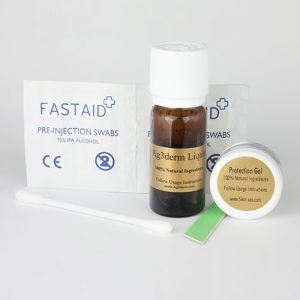
Read More | Seborrheic Keratosis

Seborrheic Keratosis

Seborrheic Keratosis Treatments

0 comments

Removing Age Spots

Removing Age Spots


Everybody can get age spots or liver spots. The skin’s exposure to the sun is one of its underlying factors. But there is no need to worry since cures for age spots are available. There are home treatments as well as professional treatments. You should also be aware of the nature of age spots.

All of us have melanin, the one which is responsible for skin color. Melanin is the skin’s defense against too much ultraviolet rays. Ultraviolet rays destroy skin cells and DNA and this can also be carcinogenic. When the accumulated wasted melanin in skin bundles together, age spots are born.

Consulting a dermatologist is a must to be sure that what you have is age spots, not pre cancerous spots. You can test the following treatments if you are already sure that they are age spots:

HOME MADE TREATMENTS

•    Mix apple cider vinegar and onion extract, each with proportional amounts. Apply to affected areas with cotton and leave for about half an hour.

•    Aloe vera extract or aloe vera in gel or juice form can also be rubbed or applied directly to the affected areas. Apply them twice a day and leave it on skin to dry for almost an hour.

•    Lemon juice can also ease age spots. Cut a slice of lemon and extract its juice; then apply the extract to age spots. Bear in mind that after the application, going outside is not recommended.

•    You can also use castor grease.

The downside of the treatments mentioned above is that it may not have any effect at all. If you want a quick and effective way to eradicate age spots, you can try the options below.

OTHER TREATMENTS

•    Microdermabrasion/dermabrasion – as its name suggest, this involves abrading the skin or peeling it off for new skin cells to emerge. This is a rather poor choice because of the pain and slow healing time.

•    Chemical peels are the fastest ways to get rid of age spots. Chemical peels use chemicals to remove old skin cells allowing the growth of new skin cells.

•    Although expensive, you can be sure that laser treatments will give you a more lasting result. Laser treatments do not involve cells near the area to be treated. And it is almost painless.

If you already have gone through such procedures and eventually got rid of dark spots, its time to give your skin more concern. As always, avoid too much sun exposure. Apply sunscreen or bring an umbrella when you go out. You won’t want these age spots to come back, do you?

Read More | Age Spots

Removal of Age Spots

How to Remove Age Spots

0 comments

Treatments For Keratosis

Treatments For Keratosis


Too much keratin on skin can cause keratosis. Keratin is the main component of human hair and nails. This is a factor to keratosis’ coarseness and bumpiness. The good news is there are various treatments for any type of keratosis. All you have to do is to consult a dermatologist and be knowledgeable of the type of keratosis you have.

Treatments for Actinic Keratosis

Actinic keratosis can be eradicated easily because they are just like viral warts in appearance.

•    Cryosurgery involves the exposure of affected area to temperature extremes, specifically cold, commonly with liquid nitrogen. Once it is frozen and hard, it is easier to remove.

•    In contrast to cryosurgery, electrocautery shaves off the affected area.

•    Among all treatments, laser is proven to be the most effective.

•    Aldara is a treatment also used for genital warts, but can also be used for actinic keratosis. It is a kind of drug which modifies the immune response.

•    5 Fluorouracil is also used for chemotherapy. It is an emulsion, usually in balm form that is applied to the AK to make it fall off by itself.

Treatments for Keratosis Pilaris

Commonly, KP is known as chicken skin. They are sometimes confused with acne. The truth is, sad to say there is no cure for KP yet.

•    The acid form of vitamin A, and glycolic acid can aid in KP’s improvement. This kind of treatment is also used for acne. It works by rushing skin growth, so that keratin will not overproduce on skin.  There will be lesser probabilities of hair follicles getting clogged which results in KP.

•    Another kind of retinoid that can support in improving KP is Adapelene. It also has exfoliating properties.

Treatments for Seborrheic Keratosis

Seborrheic keratosis resembles actinic keratosis, but in this case, this type of keratosis is greasy. It may appear harmless, but its effects on one’s confidence are bad. The treatments could be the next.

•    Cryotherapy can be effective on thinner cases of SK.

•    Curette is used on SK in a process called curettage. The SK is scraped off, but SK can come back if there are no other sorts of treatment applied with it.

•    Laser treatments are effective in removing SKs.
•    Another form of SK treatment is electrocautery, which is also combined with curettage.

Now its time to go to your dermatologist and ask what type of treatment is suitable for you.

0 comments

How To Choose A Sunscreen For People With Age Spots

How To Choose A Sunscreen For People With Age Spots


Sunlight can cause age spots and hyperpigmentation. Too much exposure to the sun can worsen age spots and pigmentation, not mention causing wrinkles.   The absorption of excessive ultraviolet rays is a factor. Vitamin D production is provoked by ultraviolet rays but too many ultraviolet rays cause skin damage and aging.

Through the use of sunscreen, the damage that the sun can bring to the skin could be reduced. The function of sunscreen is either to prevent or absorb the UV rays from the sun. The UVA and UVB are the two main kinds of ultraviolet rays that sunscreens deter. UVA is responsible for cell mutation, thus melanoma, while UVB destroys the skin resulting in sunburn. The problem with some sunscreens is the fact that most do not absorb UVA which is more harmful than UVB, and UVB is blocked by some sunscreens. So, when it comes to applying sunscreens to avoid or lessen age spots and pigmentation, how are you going to choose the best type of sunscreen for you?

You have to recognize what type of skin you have first. There are 6 skin types according to Fitzpatrick (1975).
Type I         (1-5 von Luschan scale) very light (celtic/Nordic)
Type II    (6-10 von Luschan scale) light
Type III    (11-15 von Luschan scale) light intermediate, dark skinned European
Type IV    (16-21 von Luschan scale) dark intermediate, Mediterranean
Type V        (22-28 von Luschan scale) dark/ brown type
Type IV    (29-36 von Luschan scale) very dark/black

Also remember the activities you engage in while wearing sunscreen. This way, you can be prepared and purchase a sunscreen that will fit your needs.   But before buying check on its SPF or sun protection factor. The higher the SPF, the better the protection it gives to the user.   The typical SPF measurement is up to 50. Check the label for these ingredients to make sure that the sunscreen will provide effective protection for you: avobenzone, ecamsule or zinc oxide.

Sunscreens also come in many forms, be it gel, lotion or creams. Most whitening lotions have SPF, so they qualify in the sunscreen category. But sunscreens are more effective than whitening lotion. Total these things up and you’re sure to get the best sunscreen for you.

Also remember, sunscreens are not the cure for age spots and pigmentation. The only thing that sunscreens can offer to people with age spots or hyperpigmentation is preventing it from getting worse. Only a dermatologist can help you with eradicate all age spots or lightening pigmented skin.

Read More | Age Spots

Removal of Age Spots

How to Remove Age Spots

0 comments

Removal of Age Spots

Removal of Age Spots


When someone exposes their skin to the sun for prolonged periods of time, the risk of having age spots is high. Although exposure to the sun itself is not bad, when the skin absorbs too much ultraviolet radiation that damages skin cells, it can cause harm. The damaged melanocytes are accumulated, and brown spots appear on skin. Everybody can have age spots, even though the name suggests that they are associated with old age.

Money, time and effort should be spent to effectively remove age spots. Age spots typically appear on the face, hands and shoulders, but they can be removed through various ways. There are many treatments for age spots, wherever they are, be it on your face, hands or shoulders.

Skin cancers can develop with some brown spots, so to be sure that what you have is not precancerous, have a medical consultation with a dermatologist. Then, avoid too much sun exposure, tanning beds included. If your age spots are benign, then you choose a treatment that you want. Laser treatments, for example Fraxel Laser, are effective methods to cure age spots. These methods are painless, scarless and bloodless. It is expensive however.

Skin whitening creams could help in age spot removal, so do some bleaching creams. These creams could include hydroquinone, kojic acid or glycolic acid as active ingredients. They may effectively fade age spots away if used accurately. You can also see the cream if it contains some vitamins for a healthy skin. There are also products with lycopene, for a pinkish glow.

You can also choose for a professional chemical peel. Chemical peels work by peeling off old skin to grow new skin cells. Chemical peels could employ alpha hydroxy acid or beta hydroxy acid.

Microdermabrasion can also get rid of age spots. This method removes the upper layer of skin by using micro abrasive crystals. It can also even out irregular skin tone.

Cryotherapy can also be used for age spot removal. Its downside is that a scar can remain on the treated area.

If you have undergone such treatments, you have to make skin care a way of life to prevent age spots from coming back. Do this by using exfoliating creams or soaps on a frequent basis. A sunscreen must be put on the skin when you can’t avoid getting exposed to the sun.

Read More | Age Spots

How to Remove Age Spots

Why Herbal Remedies For Age Spots Removal Do Not Work

0 comments

Skin Pigmentation Classifications

Skin Pigmentation Classifications


Problems in melanin production often result to skin disorders such as skin pigmentation. Low or High Melanin production usually occurs when skin cells are injured. Melanin, which is produced by skin cells, is what basically determines the skin color. Uneven patches on the skin are due to unstable Melanin creation. Overproduction of Melanin can cause darker skin spots and the low production of it create lighter spots.

Natural causes like pregnancy, self inflicted cases like very little sun protection to diseases such as Addison’s disease are the most common reasons behind of skin pigmentation. Skin pigmentation has many cases like Melasma, Solar Lentigo and Vitiligo which are common cases observed for this kind of skin condition. Skin pigmentation may have varying degrees categorized as Epidermal and Dermal. When the disorder is seen only on the superficial area of the skin, it is categorized as Epidermal. Deeper skin discoloration that goes beyond the outer layer of the skin is considered as Dermal.

Dark spots usually found on the face would be categorized as a condition called Melasma. Common known causes of melasma would be excessive sun exposure and pregnancy. For basic cases of Melasma, chemical peels are usually recommended by dermatologists while advanced cases may need to use new treatments like laser and diamond peels.

Age spots, liver spots or sun spots are usually noted by most as a normal skin condition but these are actually classified as a form of skin pigmentation medically known as Solar Lentigo. When skin is usually exposed to the sun and is not protected, most people acquire Solar Lentigo. This type of skin ailment is mostly seen on people who are in their 50’s or 60’s. This condition, though it may look natural, would need to be treated with more state-of-the-art measures like cryosurgery and laser.

Vitiligo is usually due to production of lesser Melanin which results to light patches instead of darker patches. More advanced cases can lead to intensified whitening of patches covering various areas in the skin, which will be the complete opposite of the natural skin color. People with darker skin tones usually are more susceptible to this type of skin pigmentation. There is still no concrete cause determined by experts on this type of skin condition. Some assume that this condition comes from sun burns while other factors considered are due to genetic, hereditary, neurogenic and immunologic reasons.

For all known causes of skin pigmentation, the most frequent factor would be due to sun exposure. Without the right amount of sun protection, skin cells are most likely to be ruined. Sun screens with high SPF formulation are the best sun protection recommended.

Read More | Pigmentation

Skin Pigmentation and Skin Disorders

Keratosis And Pigmentation In Children

0 comments

How to Remove Age Spots

How to Remove Age Spots


Individuals nowadays are trying to prevent as well as reverse the aging process by delving more and more into scientific methods. A lot of individuals wish to hold on to their young-looking looks in spite of the course of time which is basically why the beauty industry has greatly committed itself towards research and development on how to preserve one’s youthful looks from aging. The emergence of age spots as an indication of aging that numerous wish to eliminate.

When someone reaches the age of 40 upwards, they are prone to having age spots which appear as distinct spots on their skin. Age spots are usually colored gray/brown/black as well as appear as flat spots in different sizes on the person’s epidermis. The spots mostly appear on a person’s shoulders, arms, face, and hands – where the sun usually hits the most.

Once age spots have surfaced already, what is there for you to do in order to get rid of them? Treating age spots or removing them has many methods, like for example: specially made creams, microdermabrasion, cryosurgery, laser treatment, and chemical peels. There are those people who make use of skin-bleaching products to help reduce the appearance of the age spots on their epidermis.

Lightening alone, however, is generally not adequate enough since close up, one can still see the spots. Highly popular, therefore, is the use of cosmetic lasers for those who really want to remove age spots from their bodies. Considered to be the most effective method for erasing age spots, laser treatments are quite in demand. Using lasers to remove age spots may require two or more sessions with a certified specialist to completely get rid of the spots, depending on which area of the body the spots are and their quantity. The cost of an average laser treatment meeting is $573 while on average, the number of sessions needed is only two.

Laser treatments, because of the fact that results from it are known to be permanent, are considered as the top choice by many individuals who have age spots. On the other hand, for the patients who unfortunately get exposed to the sunlight again, the age spots will appear once more. These spots that surface on the skin after being exposed to the sun are actually new age spots, not recurring ones that have already been eliminated via laser treatment.

So that you can retain the age spot-free skin that you get from your laser treatments, you have to avoid going under the sun for the rest of your days.

Read More | Age Spots

Age Spots – Symptoms and Cures

Why Herbal Remedies For Age Spots Removal Do Not Work

0 comments

Keratosis Treatment at a Glance

Keratosis Treatment at a Glance


Since keratosis treatment is a broad subject, the discussion will be kept as concisely comprehensive as possible. To start off, let us discuss about the word keratosis. People use this term to refer to an unusual growth of keratin that appears on a person’s epidermis. As for keratin, it is the primary constituent of the skin itself. Seborrheic keratosis, keratosis pilaris, actinic keratosis, as well as cutaneous horns are several examples of skin problems that are called keratosis. Keratosis as a condition can affect either small parts of your body, or its entirety.

Cutaneous horns that are actually keratinous skin tumors look like “horns” which differ in size. Usually localized and small in size, cutaneous horns are often benign. But they can also be malignant or premalignant. Studies show that cutaneous horns can be triggered by being exposed to radiation. For quick elimination, use a sterile blade to cut off the toughened, dead “horns” of keratin. Other forms of treatment include radiation therapy, chemotherapy, and surgery.

Actinic keratosis is a potentially precancerous malignant skin condition that appears as reddish crusty patches of skin that may look scaly. Typically targeting individuals with fair skin, actinic keratosis has been shown to be caused by over exposure to the sunlight unprotected. To prevent the chances that actinic keratosis will become squamous cell carcinoma, a skin cancer, treatment should be administered as soon as possible. The backs of your hands, your chest, forearms, ears, scalp, face, neck, lips, etc. are commonly the most exposed to the sun’s rays which is why actinic keratosis typically appears on them. Keratosis treatment for this condition may include photodynamic therapy, electrocautery, cryosurgery, use of medicated creams like 5-fluorouracil, and use of lasers. Regular check ups are a must after finishing treatment, according to medical professionals.

Otherwise identified as follicular keratosis, keratosis pilaris show ups on the skin as a follicular condition that manifests as irregular, uneven bumps. The bumps often show up on people’s buttocks, thighs, flanks, hands, and the tops of the legs. This type of keratosis is really a glut of keratin which traps hair follicles in the pore by surrounding the pores. Engaging in palliative treatments is recommended. Keratosis pilaris may also be cured using creams that have Triamcinolone or Tretinoin.

Seborrheic keratosis refers to skin growth that is always benign and often shows up among the elderly. Reasons for this skin condition are still very not clear. Seborrheic keratosis show up like warts on the skin, come from keratinocytes and can range from black in color to light tan.

Treatment for seborrheic keratosis is unnecessary since it is noncancerous. However, infected lesions can need cryosurgery if the infection is bad or if the itchiness is too much. Other methods of keratosis treatment for seborrheic keratosis include shave excision, electrodessication and curettage, light electrocautery, as well as cryotherapy.

0 comments

Skin Pigmentation and Skin Disorders

Skin Pigmentation and Skin Disorders


To put it simply, skin pigmentation refers to the body’s skin coloration. A substance called melanin made by the body’s melanocytes (skin cells) determines a person’s skin pigmentation. The color of a person’s skin pigmentation depends mainly on his or her ethnic or racial origin as well as the extent of his or her exposure to the sun’s rays outside.

Usually associated with skin pigmentation are skin disorders such as port-wine stains, birthmarks, mask of pregnancy, melasma, chloasma, solar lentigo, sun spots, actinic keratosis, seborrheic keratosis, freckles, age spots, flat moles, liver spots, acne scarring, post-inflammatory pigmentation, wound scarring, and brown spots. These all, in one way or another, concern the skin’s coloring. The skin disorders mentioned often manifest as skin discolorations.

Usually due to irregular activity with regards to the body’s usual melanin production, skin pigmentation disorders occur. Damaged skin cells or unhealthy skin cells influence the body’s production of melanin which in turn causes abnormalities in skin pigmentation.

Pigmentation disorders may affect only small portions of a person’s skin or affect the whole body itself. Hypopigmentation and hyperpigmentation are the two principal categories of skin discoloration problems. Hyperpigmentation deals with the abnormal increased making of melanin while hypopigmentation deals with the abnormal decreased making of melanin.

How does hyperpigmentation occur? It occurs when there is an excessive production of the skin’s melanin. A person with hyperpigmentation will end up having darker skin color than their normal pigmentation. The alternative term for hyperpigmentation is dyschromia. The top skin areas where it frequently appears include the face, arms, and hands.

Types of dyschromia include liver spots, melasma, freckles, age spots, and sun spots. Reasons of dyschromia can be too much sun exposure, pregnancy, Addison’s disease, hormonal changes, acne, failed skin treatments, and heredity. In the case of hypopigmentation, melanin that is reduced in amount makes the skin lighter than it actually should be. Hypopigmentation is often seen on a person’s skin because of reasons such as Tinea versicolor, Pityriasis alba, blisters, infections, albinism, burns, and vitiligo.

Regardless of what type of skin pigmentation problem one has, it commonly makes the person unsatisfied with the skin they have. That is the reason of a lot of individuals who search for the right medical treatments to solve their skin problems. Skin pigmentation disorders can be treated through several ways. Numerous people make use of creams. Such creams help reduce the effects of the skin discoloration. Skin lightening products that contain kojic acid, retinoids, Vitamin C, and hydroquinone are also widely used for this purpose.

Skin pigmentation is a big concern when it comes to one’s appearance. That is why it is no surprise that so much money and effort are utilized for research and development on treatments for skin pigmentation disorders.

Read More | Pigmentation

What You Need to Know About Hyperpigmentation

Skin Pigmentation | What Types Of Pigmentation Are There?

0 comments

Age Spot: What Is It And How To Prevent It

Age Spot: What Is It And How To Prevent It


Dark marks on the skin surface are commonly known as age spots or liver spots. Scientifically speaking, age spots are due to being exposed to the sun and thus called as solar lentigines. These can be black, gray, or brown in color. The sizes range from freckle-like spots to spots that measure one centimeter across. Besides those that stand by themselves, there are age spots that come in cluster.

Parts of the body that have prolonged sun exposure display age spots. The hands, arms, face, and shoulders are the most typical areas. Age spots normally appear in people who are more than 40 years old. However, the appearance may also show up in younger people depending on the amount of exposure to the sun over a span of time.

A spot on the surface of the skin may be a manifestation of a more serious mark, so the attention of a medical physician like a dermatologist is necessary in order to verify the mark. Whenever there is an increase on the pigmentation in the skin, age spot is most likely to show up. An age spot typically has a flat and rounded look.

One good way to determine whether the mark is a more serious mark is to check if it has different colors, if it has an irregular shape, and if it is raised. You can request for assistance from a physician in determining this. Keep in mind that having a harmful mark may be a trigger for a health risk like skin cancer.

Age spots can be prevented by using sunscreen. Sunscreens are able to prevent the ultraviolet rays coming from the sun. The dark discoloration of the skin is caused by melanin. Without an aid on protecting the skin from UV rays, there is a boost of melanin production in the skin.

The development of age spot may also be brought about by genetics.  Those who have freckles or fair skins are more likely to have dark spots like this. Conversely, those who have lighter skins has less natural protection from the UV rays.

Aging in itself can also be the cause of appearance of age spots in the skin. Because of aging, there is an increase of the production of melanin, which manifests marks.

Age spots can be removed in many ways. Many people do not consider its being harmless because they are not good to look at. Laser removal, chemical skin peels, dermabrasion, and cryotherapy are just some of the treatments for age spot removal. However, proactive prevention like the utilization of broad-spectrum sunscreens is recommended by skin doctors over expensive treatments.

0 comments