
Treating the Skin Condition of Melasma

Treating the Skin Condition of Melasma


Otherwise known as mask of pregnancy or chloasma, melasma commonly occurs as irregular patches of tan, dark skin, mostly among women taking oral or patch contraceptives in addition to pregnant women. Others who are also vulnerable to chloasma are women who are pregnant or are undergoing (HRT) hormone replacement therapy. Individuals of Jewish, Russian, in addition to German descent have also been known to be prone to having facial pigmentation/discoloration thanks to melasma, which has been shown in recent studies on skin conditions.

Melasma commonly surfaces on parts of the body such as the forehead, lips, nose, upper cheeks or upper lip as well as can increase in area with the passage of time. In the medical world, melasma is explained as a kind of skin discoloration caused by the stimulation of pigment-producing cells that are called melanocytes by female sex hormones (e.g., estrogen and progesterone) to produce large unusual amounts of melanin when the skin exposed to too much sunlight.

Melasma treatment is sought after by many to remove the unsightly patches of tan skin which can mar one’s looks considerably. Fortunately for pregnant and contraceptive-taking women, melasma typically goes away of its own accord, once the mother gives birth or the woman stops her intake of contraceptives. The same can also go for numerous women undergoing HRT.

There are several ways of melasma treatment which are basically done to help speed up the fading of the irregularly colored skin areas. Some of these treatments for melasma removal include use of hydroquinone (HQ) which is a topical depigmenting agent that inhibits tyrosinase production. This treatment works since tyrosinase is a necessary enzyme in the making of melanin. Another method used in melasma treatment is the use of tretinoin, which increases the number of skin cells that are produced. It is unfortunate, though, that women who are carrying a child in their womb are prohibited from using this method of melasma treatment. Melasma can also be treated by using azelaic acid (which impedes the melanocytes’ activity), chemical peels with glycolic acid as well as facial peels with alpha hydroxyacids. There is also the method for melasma removal called the Fraxel laser treatment.

Treatment varies from case to case basis, since one method may be more effective than others for one person. But no matter what kind of technique of treatment one selects, the individual must avoid sun exposure after undergoing the treatment. Treatment will slowly show results, so it is very important that one should avoid the sun’s rays for the time being. The use of sunscreen is highly suggested if you want the treatment to completely succeed.

Read More | Melasma

The Best Treatments For Melasma

What You Need To Know About Melasma

0 comments

What You Need to Know About Hyperpigmentation

What You Need to Know About Hyperpigmentation


Before we can discuss what hyperpigmentation is, we should first become familiar with the term pigmentation. Simply put, skin pigmentation is the color of a person’s skin. It is the body’s skin cells (melanocytes) that function to produce melanin in the skin. The more melanin a person’s skin has, the darker its appearance will be. Skin pigmentation is mainly determined by the racial ethnicity of the person and the amount of sun exposure they get each day. Because of these aspects in determining skin pigmentation, the colors of people’s skins vary from one person to the next.

About hyperpigmentation, it refers to the darkening of a specific part or parts of one’s skin which is caused by the increased production of melanin. Because of hyperpigmentation, darker spots that do not match the surrounding areas will commonly appear on the skin. Hyperpigmentation has been found to be mainly caused by damage from too much sun exposure, skin inflammation, or other injuries on the skin. In connection to hyperpigmentation, there are many of diseases and conditions that are connected to the darkening of the skin. Among the given instances are Peutz-Jeghers syndrome, melanosis, haemochromatosis, linea nigra, Celiac disease, Cronkite-Canada syndrome, Tinea fungal infections, Addison’s disease, acanthosis nigricans, melasma, porphyria, as well as Cushing’s disease. The better known kinds of hyperpigmentation are sun spots, freckles, age spots, as well as liver spots. Some studies also say that chemicals such as cisplatin, salicylic acid, and bleomycin can cause hyperpigmentation. People of Asian, African as well as Mediterranean descent are considered as the most at risk to hyperpigmentation. Too much sunlight will also make you more prone to it.

If one has hyperpigmentation, then their looks are usually affected a lot. Beauty nowadays is judged by physical appearance, so hyperpigmentation might be a problem if you wish to look attractive. Beauty makes having a good complexion a must. Hyperpigmentation hinders this. The discoloured patches of skin are usually the most visible parts of the body when it comes to hyperpigmentation. To mention some parts, these are the neck, face, scalp, nape, hands as well as forearms. A lot of individuals are ashamed to show the unsightly dark patches of skin. People will wear clothes or use cosmetics to try and hide the spots. Fortunately, there are now many ways wherein one can alleviate hyperpigmentation. Skin lightening products are often used for this reason. The skin lighteners can consist of any of these: topical glucocorticoids, azelaic acid, hydroquinone, kojic acid, alpha hydroxy acids, ascorbic acid, tretinoin (Retinol), as well as licorice extract.

Hyperpigmentation makes the skin unappealing, even if it is generally harmless. A lot of individuals wish for their hyperpigmentation to disappear because the affected parts are noticeably darker than their real skin tone. Pigmentation creams may provide treatment for hyperpigmentation. However, all will be pointless if the afflicted individual still goes out under the sunlight or does not inentify the underlying cause or illness.

0 comments

Sun Damaged Skin – Age Spots and Discolorations

Sun Damaged Skin – Age Spots and Discolorations


Basking in the warm glow of the sun’s rays provides many with comfort and relaxation. And bronzed and tan skin is often sought after as high commodities, and associated with youth and energy. But regardless of the immediate gratification we receive from soaking up those hot rays, prolonged exposure to the sun over the years actually can make our skin age more quickly. With accelerated sun damaged skin, comes age spots, discolorations, wrinkles and sometimes even skin cancer. The UV (ultra violet) rays of the sun damage the skin’s elastin, the fibres in the epidermis that keep our skin taut, tight and wrinkle free. Those same UV rays also disrupt the melanin, which produce the skin’s pigmentation in our skin, creating age spots or other forms of discoloration.

The impaired elastin in sun damaged skin causes the skin to sag and stretch. It also limits the skin’s natural ability to heal quickly. Although freckles occur due to a genetic pre-disposition, they are also aggravated and darkened by sun exposure. Both Melasma and lentigos are also caused by excessive and unprotected exposure to ultra violet rays. Melasma is a skin disorder that produces light brown spots on the chest, forehead, nose or cheeks. Lentigos are dark brown or black spots, otherwise known as age or liver spots, which appear on the back, shoulders and hands.

Other discolorations caused by sun damaged skin include mottled pigmentation, sallowness and telangiectasias. Mottled pigmentation is a genetic disorder caused by a gene mutation and aggravated by sun exposure. Symptoms include excessively fragile skin, skin blistering and discoloration of the skin. Sallowness is a yellow discoloration of the skin that can be caused by UV rays. Telangiectasias is a skin disorder that occurs when small blood vessels are dilated and are visible under the skin. These blood vessels can become evident anywhere on the body, but are primarily seen on the cheek, nose and chin.

Age spots specifically due to sun damaged skin are more prevalent in people with fair complexions, while other discolorations, such as Melasma, are found more in brown skinned individuals. Age spots can start as early as age 30 depending on the amount of sun exposure received. The discolorations are generally round and flat, and can be just a few centimetres to a few inches in diameter. They are generally harmless and benign with no required treatment needed unless a significant change in appearance occurs, but can produce a very unsightly appearance on the skin.

Read More | Age Spots

Getting Rid of Those Unattractive Age Spots

Where Do Age Spots Come From & Who Gets Age Spots?

0 comments

What You Need To Know About Sun Protection Cream

What You Need To Know About Sun Protection Cream


It is important to watch out for the health of your skin all of the time especially if you are exposed to the sun. The adverse rays of the sun are responsive to those who have fair skins rather than those who have dark skins.

In the first place, you have to know why the skin gets darker when staying in the sun. When exposed to the sun, our skin produces melanin to protect itself, which is what we know as a sun tan but is actually your skin’s natural form of protection. There is a unique formation of melanin for every person. There are some people whose skins get tanned more intensely than any other people. Skin tanning depends on where you are and what skin type you have. The nearer you are to the equator, the more you need to protect your skin from sun damage.

Sun protection creams work in various ways for the protection of our skin against the harmful rays of the sun. Most of the sun protection creams available in the market have both physical and chemical sun filters and others have either.

The rays from the sun are absorbed by these sun filters as the skin is being gone through. The harmful rays from the sun no longer pass through the deep layers of the skin because of sun protection creams. This best describes the chemical filters that are incorporated on the sun protection cream. The physical sun filters, on the other hand, works by means of laying a thin membrane that bounces off the damaging rays from the sun.

Sun protection creams are helpful in protecting the skin against ultraviolet type A rays or UVA rays and ultraviolet type B rays or UVB rays. These sun protection creams can also be broad spectrum sunscreens. The topmost layer of the skin is burnt by ultraviolet type B rays which eventuate to damage of the cell and changes that can lead to, age spots, liver spots, actinic keratosis and ultimately this sun damage can lead to skin cancer. Ultraviolet type A rays, on the other hand, do not burn but they go through into the skin which affect aging.

The acronym SPF refers to sun protection factor which measures the strength of the sun protection cream against harmful UVB rays. But then again, it does not mean that you can go out in the sun for longer with higher SPF because it can lead to the invasion of UVA rays. You must first consider your skin type when buying a sun protection cream. Most people can manage application of sun protection cream with an SPF 15.

0 comments

Seborrheic Keratosis

Seborrheic Keratosis


The condition of having growths on the skin surface that are wart-like and benign is called seborrheic keratosis. It is also known as barnacles, senile wart, senile keratosis, and seborrheic verruca. This benign skin growth begins in keratinocyte, which is the major constituent of the epidermis. As people age, seborrheic keratosis becomes more apparent just like with liver spots.

The term “seborrheic keratosis” is a combination of the adjective form of the word seborrhea (which refers to the skin disorder that causes flaky, scaly, and itchy, reddish skin and affects the sebum-gland rich areas), and keratinocyte (the part of the epidermis that creates keratin) and the suffix -osis which is used to mean abnormal.

The characteristics of seborrheic keratoses may vary like how it goes with their colors ranging from light tan to black. From a tiny mark to over one inch across, the measurement may vary.

It can appear like a melanoma skin cancer or a wart although it has no viral origins. A seemingly pasted on appearance is the normal description of seborrheic keratosis granted that the only part involved in the top layer of the epidermis.

It is still unknown why there are seborrheic keratoses appearing on some individuals. Nonetheless, harmful rays from the sun can be pointed out given the fact the sun-exposed body parts are affected. Most of the time, face, neck, back, and arms are the areas affected. One more contributor to its occurrence is genetics.

Its obvious embedded horny pearls that be like cysts can be right away recognized for their appearance. It is suggested to consult a skin expert if you have doubt. Skin biopsy is one good solution for this.

Seborrheic keratosis looks greatly like epidermal nevi. It is best to have dermatoscopy granted that it may look like warts or condylomas. For you to determine whether it is condyloma or seborrheic keratosis, a skin biopsy is crucial.

It has to be noted that there is no treatment needed if the diagnosis was correct. If the lesions are picked, there is a low risk that the surrounding areas of the skin would be infected locally. One good solution is cryosurgery if there is a sharp itchiness brought by the growth.

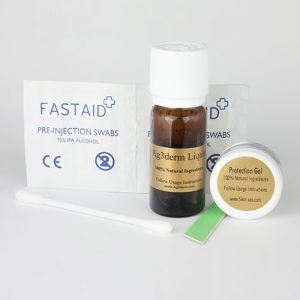
For those who have small lesions, the best treatment is light electrocautery. In the same way, for those individuals who have bigger lesions, different treatments like shave excision, electrodessication and curettage, and cryotherapy can be gone through. In order for the skin to have not much visible scars, proper treatment must be anticipated. Ag3derm Cream now completely removes seborrheic keratosis as demonstrated in these videos.

Read More | Seborrheic Keratosis

Seborrheic Keratosis Treatments

Can Seborrheic Keratosis Lead To Skin Cancer?

0 comments

Why Are There Skin Blemishes?

Why Are There Skin Blemishes?


Skin blemishes are typical for some people due to a wide array of skin health factors. Factors that are responsible for the production of skin blemishes include stress, diet, genetics, pores that are clogged, excess oil on the skin, unfavorable weather, damage to the skin, and aging. These factors are the ones responsible for an early aging that leads to the production of skin blemishes especially on the face. There are several forms of skin blemishes like acne, whiteheads, blackheads, age spots, liver spots, freckles & actinic keratosis.

Skin blemishes can also be generated from severe dryness leading to cracking in the skin. Inflammation of the skin can be avoided by means of topical creams that diminish the redness of the skin blemishes. If you have these, it is best to see a skin expert to know the condition of your skin.

Diet is an important factor to consider if you want to remove the dark spots in your skin. Since the skin is the largest organ of the body, it is the reflection of how healthy or unhealthy you are. It is best to eat fruits and vegetables as well as nuts and fishes for these are helpful for the skin. A lot of water is essential for your skin to be moist all of the time and for your body to be dehydrated. In order for you to avoid having skin blemishes, you have to avoid having your skin dry and deprived of nutrition.

Preventive measures can be raised in order for you to protect the surface of your skin from the harmful rays coming from the sun whenever you are exposed to it. Avoid the times when the heat of the sun is mostly intense. There are ways that you can consider in order to protect your skin from the production of skin blemishes such as applying sunscreen most especially if you cannot avoid the peak hours of the intense heat of the sun. Considering even the small amount of ultraviolet rays from the sun can generate skin blemishes, it is best to stay away from intense heat of the sun most importantly if you have sensitive skin. To protect the skin from being dehydrated, an additional measure that you can use is the application of heavy moisturizers.

There are also anti-aging creams that you can use for your regular skin care. There is nothing to worry about for these creams because they are clinically tested and proven. Anti-aging creams are made out of alpha hydroxy acid (AHA), beta hydroxy acid (BHA), and peptides that are all effective on taking care of the skin. Take note to use the skin care products that you are available in the market as directed as the usage for each differs from one another.

0 comments

How To Avoid Having Liver Spots

How To Avoid Having Liver Spots


Liver spots are defined as blemishes that are situated on the surface of the skin linked to sun exposure. Its other names are solar lentigo, senile freckle, and lentigo senilis. Others call them old age spots. They have a flat surface and brown to black in color. They have nothing to do with liver or anything that is associated with the function of the liver.

The appearance of liver spots happens in older skin. The skin color of the older skin is changed due to aging. Those who are likely to be exposed to the sun without any protection have liver spots.

Liver spots most normally appear on the skins of people over 40 years old. This blemish mainly target the body areas that are highly exposed to the dangerous rays from the sun. These areas include face, forehead, shoulders, forearms, and backs of the hands.

The appearance of the liver spot can help you recognize one. It has a low surface and lesions are ranging from light tan to black in appearance. Another technique to distinguish it is to see if there is a skin discoloration. There is no pain for those who have liver spots.

If you are someone who has been greatly exposed to the sun, and you are over 40 years old, you are most likely prone to having liver spots. For you to learn whether a spot that is irregularly-shaped is a mere liver spot or a malignant sign of skin cancer, you must go for a skin biopsy.

Mostly, there is no required treatment for liver spots since these are not dangerous. However, the appearance of the skin can be improved through the use of lotions and creams intentionally made for skin bleaching. Laser treatment or cryotherapy can be used in order to destroy the liver spots. Liver spots can be broken down by means of laser treatment or cryotherapy.

The thing about liver spots is that they are harmful in the medical sense. Nevertheless, they bring permanent skin change on the appearance of the skin.

You can arrange an appointment with a skin expert if you want the liver spots to be removed. If there are new symptoms that are developed on your skin, never hesitate to consult a health care provider to know more about your skin condition.

You can always protect yourself against the harmful rays coming from the sun. When there is an intense sunlight, avoid being exposed to it for your own sake. For the protection of the eyes, sunglasses can be used. Sunscreens can also be applied on the skin to prevent further liver spots.

Read More | Liver Spots

Information About Liver Spots

Liver Spots: Treatment Options

0 comments

Actinic Keratosis Can Be Precancerous

Actinic Keratosis Can Be Precancerous


Skin cancer is one of the most frequently diagnosed of all cancers, exceeding even colorectal, prostate, breast, and lung cancer. It is dubbed as the most widespread cancer in the 20 – 39 age group of the entire population. There are many people who actually do not even know that actinic keratosis may potentially turn into squamous cell carcinoma, a type of skin cancer, if left unattended. If lesions from actinic keratosis are untreated, they have a 20% risk of becoming cancerous.

Other names for actinic keratosis include solar keratosis as well as senile keratosis, and it usually appears as coarse, small patches of skin around 2 to 6 mm in diameter. Often painful as well as sore, the actinic keratoses are colored red. You might also occasionally see white or yellow scales on them.

Studies show that its propensity to be precancerous makes it a dangerous form of skin disease.

Studies prove that too much time under the sun is the major reason behind the occurrence of solar keratosis. The most vulnerable to this skin condition are those who have fair skin and stay out in the sun too long without protection.

Actinic keratosis commonly afflicts the forearms as well as upper part of the hands the most often. This is due to the fact that these body parts are commonly the most exposed to the sun’s rays. The nape, scalp and face are also places where actinic keratosis surfaces. Even the legs may be affected, for some individuals.

It is highly suggested that lesions on the epidermis caused by actinic keratosis be removed as soon as possible. Once you start seeing strange lesions on your skin that are reddish, it is best to see your dermatologist. Consult with your doctor to confirm if the spots are the precancerous kind. Once the dermatologist diagnoses your lesions as those caused by actinic keratosis, it is time to move quickly. Time is important when it comes to cancer. The sooner that the cancer is treated, the better the chances are of you being healed.

The use of creams is one method of actinic keratosis treatment. Photodynamic creams or those that come with imiquimod, diclofenac, or 5-fluorouracil are applied in skin therapy to treat actinic keratosis. Lasers are also used for this reason. Other people prefer cryosurgery or the burning/cutting of the lesions on the epidermis.

No matter what kind of technique you choose to deal with your skin lesions, do remember to engage only competent and respectable doctors. Precancerous spots might be fatal if you are careless.

Read More | Actinic Keratosis

Actinic Keratosis And Its Implications

Actinic Keratosis

0 comments

Actinic Keratosis And Its Implications

Actinic Keratosis And Its Implications


Actinic keratosis is a kind of premalignant condition that is identified by patches or bumps that are usually flat and raised, scaly, thick, or crusty. It can also be called solar keratosis and senile keratosis. Besides from the term sun spot, another usual term for this is precancerous spot. Skin experts shorten this condition as “AK”. Its measure ranges from that of a pinhead up to more than an inch across. Its color may be light or dark, pink, red, tan, or a combination of these colors.

Touching the actinic keratosis can confirm its occurrence rather than merely seeing it. The crust or the scale that becomes evident is normally, dry, rough and resembles a horn. A sharply painful sensation can be sensed when one has this. If the person is highly exposed to the sun, he may experience itchiness. Body parts that are most of the time exposed to the sun are where actinic keratoses may appear in clusters. These body parts are forearms, lips, neck, back of hands, ears, bald scalp, and face.

This kind of condition is dangerous as it may be a manifestation of cancer in the skin. Provided that the spots are detected immediately and undergo proper treatment, skin cancer is not life-threatening. If actinic keratoses are not attended medically, they have the tendency to grow larger and be infected as it invade the tissues that surround it.

Accumulation of the damage coming from the sun to the skin is likely to happen over time. Keep in mind that reflective surfaces bounce off UV rays. Those who have fair skins are most likely to have this kind of skin condition. The same way goes for those who have green, gray or blue eyes, and those who have red or blonde hair. This is so due to low pigments that protects their skin from sunburns. However, the development of actinic keratosis can also occur to dark-skinned people who have utmost exposure to the sun without proper protection.

Actinic keratosis can be removed through different treatments. There is not always a need to get rid of all of the actinic keratoses. One of the most typical treatment is called cryosurgery. Liquid nitrogen is applied in order to freeze off lesions. Utilized here is an applicator with a cottop tip or a special spray device.

If there are many lesions, an effective treatment is through applying topical cream. Another method is through chemical peels or curettage where scraping of lesion is done.

To sum it all up, it is highly advised by many skin doctors to seek them first if you want to learn more regarding this condition.

Read More | Actinic KeratosisActinic Keratosis

Actinic Keratosis | Early Treatment Is Essential

0 comments

Getting Rid of Those Unattractive Age Spots

Getting Rid of Those Unattractive Age Spots


People these days are becoming more and more interested in science in order to look for ways stop the aging process of our bodies. Propelling the beauty industry today towards more effectual anti-aging treatments is the desire of people to remain young looking longer. The emergence of age spots as an indication of aging that a lot of people wish to erase.

Affecting the skin of people who are past the age of forty, age spots are distinctive brown patches of skin that can be aging to the appearance. Such unattractive spots more often than not vary in their size, are flat, and may be gray or brown or black in color. The areas of the body that are the most affected by age spots usually include the face, shoulders, hands or arms, which are all commonly overexposed to the sun).

If you already have age spots, what are some of the remedies you can use to remove them? Along with the other available ways for removing age spots, cryosurgery, specially made creams, microdermabrasion, laser treatment, as well as chemical peels are also included. Skin-bleaching products used on the skin to lighten the age spots can also be used.

Lightening alone, however, is generally not adequate enough because close up, one can still see the spots. To eliminate age spots, numerous people have turned to cosmetic lasers. Regarding laser treatments, they are currently the most highly effective means of removing age spots on one’s skin. Using lasers to remove age spots may require two or more sessions with a certified specialist to completely get rid of the spots, depending on which area of the body the spots are and their quantity. The cost of an average laser treatment meeting is $573 while on average, the number of sessions needed is only two.

Laser treatments, because of the fact that results from it are known to be permanent, are considered as the top choice by many people who have age spots. However, for the patients who unfortunately get exposed to the sunlight again, the age spots will appear once more. The spots that reappear are actually not the old spots that had already been removed but new ones that have been brought on by the re-exposure to the sun.

Keeping your spot-free features once you have done with those laser treatments entails that you must never let your skin become exposed to intense sunlight.

Read More | Age Spots

Where Do Age Spots Come From & Who Gets Age Spots?

How to Remove Age Spots

0 comments